
The short answer
Start with the software needed to take an order and deliver what you promised. Add another subscription when you can name the job it does this week. A long software list is not a launch requirement.
When I tried starting businesses I was bad at keeping track of the little subscriptions. I also did not have much guidance about what I needed versus what I could skip. That is a big part of why I built Startup Stacked.
The early excitement is useful. You want to make the business real. But buying a tool can feel like progress even when it does not help you get the next customer. My starting question would be simple. What needs to work for one real order?
Research-based recommendations. Startup Stacked is free to use, with no paid plans or upgrade fees. Third-party tools may charge separately. Our editorial approach.
At a glance
USD where a dollar price is shown. Annual equivalents require the stated commitment. Taxes, usage, and optional services may be additional.
The shortlist, explained
Here’s why I’d consider each option, and what I’d check before paying.
A place to sell
Shopify
I would start with the platform decision before looking at apps. Shopify includes hosting and a checkout. That means a separate hosting subscription is not another box you need to tick for the same store.
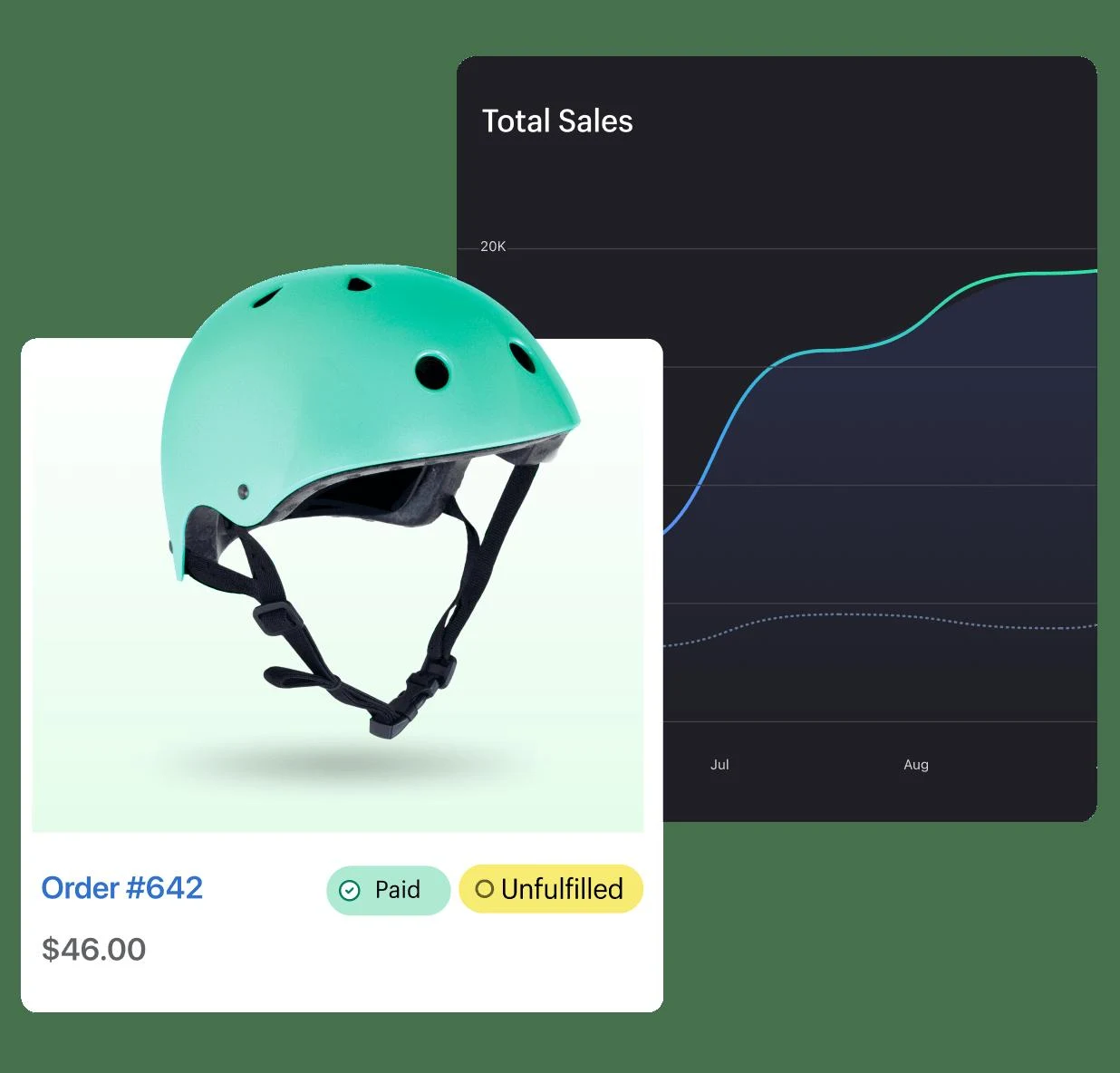
Check before choosing: Budget for payment processing and any domain or apps separately. A trial is not a permanent free store plan.

Email once you have a reason to send
Omnisend
An email tool becomes useful when you have permission to contact people and something worth sending them. Omnisend has a free tier. I would check whether that covers the actual list before paying for more capacity.
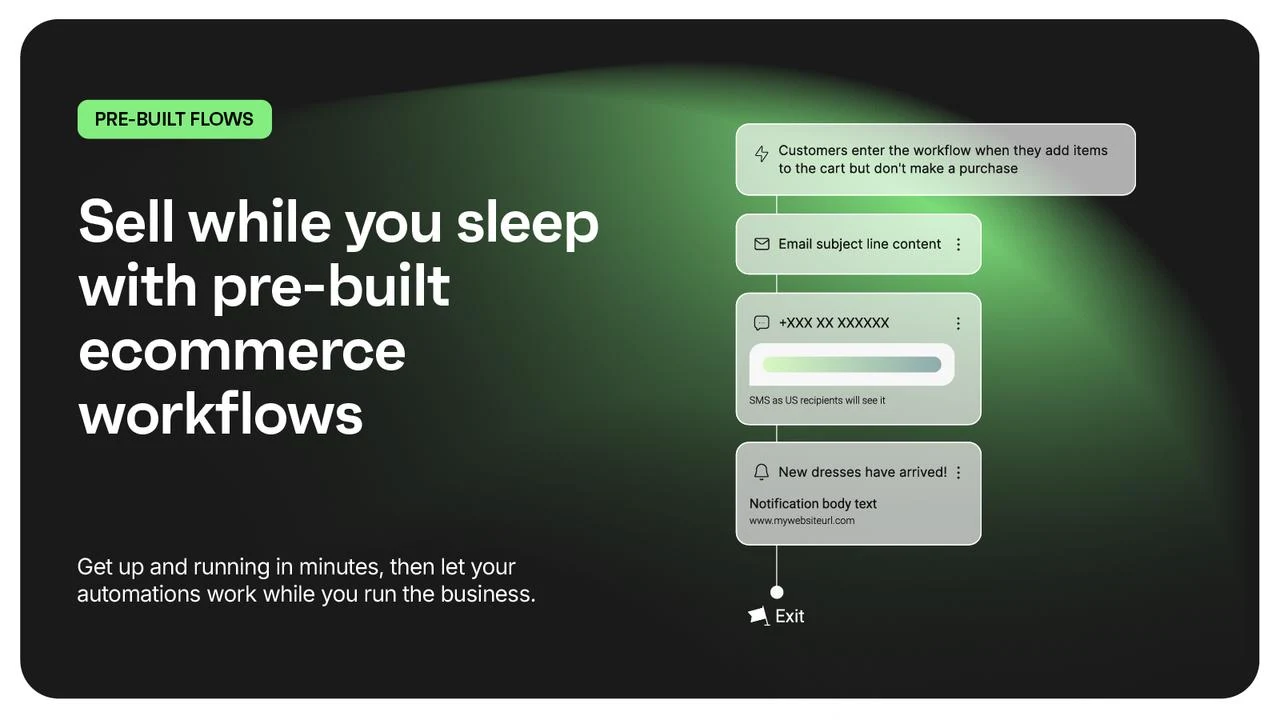
Check before choosing: The published free tier allows 500 emails per month to up to 250 contacts. SMS has its own costs and rules.

- 1List the jobs needed for one sale
- 2Check what your current tools cover
- 3Price the gaps before subscribing
Write the job down before the tool name
For an online store that could mean showing the product clearly and accepting payment. Then you need a way to see the order and arrange delivery. For a service business it could mean handling an enquiry and sending an invoice instead. Those are different software needs.
Write those jobs on paper first. Next to each one put the software you already have. If your platform already handles a job well enough there is no need to pay for another tool just to make the list look complete.
- Needed before launch — the business cannot fulfil its basic promise without it.
- Useful soon — a real task exists but your current approach still works.
- Later — you are planning for customers or complexity you do not have yet.
Give every paid tool a reason to be there
I would ask what breaks if I leave this tool out for two weeks. If the answer is mostly that the store looks less sophisticated it can probably wait. If customers cannot pay or you cannot deliver an order that is a different decision.
There are exceptions. Accessibility and security are not things to postpone just because sales are low. The point is to understand the need rather than buy every add-on that sounds reassuring.
Check the whole bill before the first trial ends
A trial makes a tool easy to start. It does not tell you whether the regular bill fits your budget. Write down the renewal price and billing date before adding another trial.
Use My Stack to choose tools and plans and estimate their combined software cost. Keep a separate list for stock and delivery costs. Software is only one part of starting a business.
Choose a review date rather than a shopping deadline
After launch I would review the list when a repeated task starts taking meaningful time. Keep a short note of the problem and how often it happens. That gives you a better reason to choose software than a limited-time discount.
The useful question is whether a tool solves a problem you have now. A simple setup that you understand is easier to improve than a complicated one you are already paying to maintain.
My recommendation
Where I’d start
I would launch with the smallest setup that can serve a customer properly. Keep the interesting tools on a later list. Build your shortlist in My Stack and look at the total before deciding what deserves a place.
Sources & approach
These recommendations are based on the publishers’ documented features and pricing, reviewed September 29, 2026. They aren’t results from hands-on benchmark tests. Check the selected plan before buying; prices and availability can change.
Examples and suggested evaluation thresholds are illustrative. Tell us if something needs correcting.